Dental Implant Downsides: Risks and Drawbacks to Know Before You Commit
Dental Implant Downsides: Risks and Drawbacks to Know Before You Commit
What's Covered on This Page
Dental Implants Come With Real Risks You Should Understand First
Who Should Think Twice Before Getting Dental Implants
Signs Your Dental Implant May Be Failing
How do I know if I'm a good candidate for a dental implant?
What's the biggest misconception about dental implant risks?
Can Milwaukee winters make implant healing harder?
What's the difference between normal healing discomfort and a real implant problem?
If my implant feels loose, does that always mean it failed?
Where can I get a second opinion if I'm told my implant isn't healing right in Milwaukee?
414-963-9440
Schedule Your Visit
Dental Implants Come With Real Risks You Should Understand First
Dental implants work. They're the closest thing to real teeth modern dentistry can offer. But they're still surgery, and surgery brings risk, no matter how steady the hands are.
If you're weighing dental implant downsides, risks, and drawbacks to know before you commit, honest information matters first.
We've placed implants at our Milwaukee practice since 2012, from single tooth replacements to full-arch cases. Most implants stay in the mouth with no problems whatsoever. The ADA reports success rates above 95 percent for properly placed implants. So what’s up with that 5% that do fail? Keep reading to find out.
So what can go wrong? Here are the real risks worth knowing:
Infection at the implant site. Bacteria can settle into the surgical area during healing. Early signs include swelling that gets worse instead of better, a bad taste, or warmth around the gums.
Nerve damage. Implants placed in the lower jaw sit near a nerve that runs through your chin and lip. Damage can cause tingling, numbness, or pain that lingers for weeks or longer.
Implant failure. Sometimes the bone just doesn't fuse to the titanium post. You feel it loosen. It shifts when you chew. The implant has to come out.
Sinus problems. Upper jaw implants can push into the sinus cavity. That pressure behind your cheekbone, the dull ache when you bend forward. A sinus lift procedure can prevent this, but it adds another step.
Bone loss around the implant. Even after successful placement, the bone can recede over time. This is called peri-implantitis and it's basically gum disease around an implant.
None of these are common. But every one of them happens.
Patients come to our Milwaukee office for a second opinion after an implant placed elsewhere didn't take. The post is loose. The gum tissue looks angry and red. They can't bite down on that side. It's frustrating because it usually means starting over. Sometimes bone grafting is needed before a new implant can even be considered.
Why Planning Reduces Risk

Most implant complications trace back to planning, not the surgery itself. A poorly angled implant can potentially hit a nerve. An implant placed without enough bone support fails within months. These are predictable problems that our doctors consider during every single patient consult.
That's why 3D implant planning and computer-guided implant placement are essential to our process, not optional. CBCT 3D imaging shows the exact density of your jawbone, where your nerves run, and how close the sinus floor sits. We map the implant position before we pick up a drill to begin. This shrinks our margin for error considerably, and it’s why our patients experience so few complications.
But here's what most people don't realize until it's too late. Your health history matters just as much as the imaging. Uncontrolled diabetes slows bone healing. Smoking cuts blood flow to the gums right when they need it most. Certain medications thin the bone over years. These aren't reasons to skip implants entirely. They're reasons to have a thorough exam first.
A good implant starts with a good conversation. The kind where someone looks at your scans, reviews your health, and tells you the truth about what your jaw can handle right now. Not every mouth is ready for implants on day one. Sometimes socket preservation or bone grafting needs to happen first. That's not a setback. That's how you avoid becoming part of the 5 percent.
If you're considering implants and want to know exactly where you stand, our dental implant page walks through the full process we use here in Milwaukee.
Who Should Think Twice Before Getting Dental Implants

Not everyone's jaw is ready for an implant, and while that might be hard for some patients to hear, we don’t compromise on our system.
Patients sometimes arrive at our Milwaukee office already set on getting dental implants before they even sit down in the chair. They've done the research, watched the videos, and perhaps even picked a tooth shade. But these patients are often unaware that their smoking habit or uncontrolled diabetes disqualifies them from implant surgery due to the high risk of failure. These conversations are tough, but losing an expensive dental implant to failure is even more difficult.
Here are the situations where we ask people to pause and think carefully before moving forward:
Uncontrolled diabetes. High blood sugar slows healing at the bone level. The implant post needs bone to grow tightly around it. If your A1C is consistently above 8, your body may struggle to do that work.
Heavy smoking. Tobacco restricts blood flow to the gums. Less blood means less oxygen reaching the surgical site. Smokers face implant failure rates roughly twice as high as nonsmokers.
Active gum disease. Placing an implant into infected tissue is like building a fence post in wet sand. Periodontal therapy needs to happen first. The gums have to be stable.
Certain medications. Bisphosphonates used for osteoporosis can affect how jawbone heals. Blood thinners change surgical planning. These aren't dealbreakers. They're conversations your dentist needs to have with your physician.
Not enough bone. Years of missing teeth cause the jaw to shrink. If there isn't enough bone to anchor the post, you'll need bone grafting or a sinus lift first. That adds time and another healing period.
Young patients whose jaws are still growing aren't candidates either. The bone shifts as it develops, so an implant placed too early can drift out of position.
The Honesty You Deserve Before Surgery
We've had patients come to our office near the East Side after being told elsewhere that they were "good to go." But their CBCT 3D imaging told a different story. Thin ridges of bone. Sinus floors sitting low. Things you can't see on a flat X-ray.
That's why 3D implant planning matters so much. A two-dimensional picture can hide problems. A three-dimensional scan shows the full landscape of your jaw, every ridge and hollow.
Some people need socket preservation right after an extraction to keep the bone from collapsing. Others need PRP or PRF platelet-rich therapies to support healing. These steps aren't upsells. They're the difference between an implant that lasts decades and one that fails in the first year.
And here's something most people don't think about. Grinding your teeth at night puts enormous force on implants. If you clench or grind, a night guard becomes part of the long-term plan. The implant itself can handle pressure. The bone around it has limits.
None of this means you can't get dental implants eventually. It means the timing and preparation have to be right. A good plan accounts for what your body needs before the surgeon ever picks up a drill.
So if any of these situations sound familiar, bring it up. Be honest about your health history, your medications, your habits. The conversation before surgery matters just as much as the surgery itself.
Signs Your Dental Implant May Be Failing
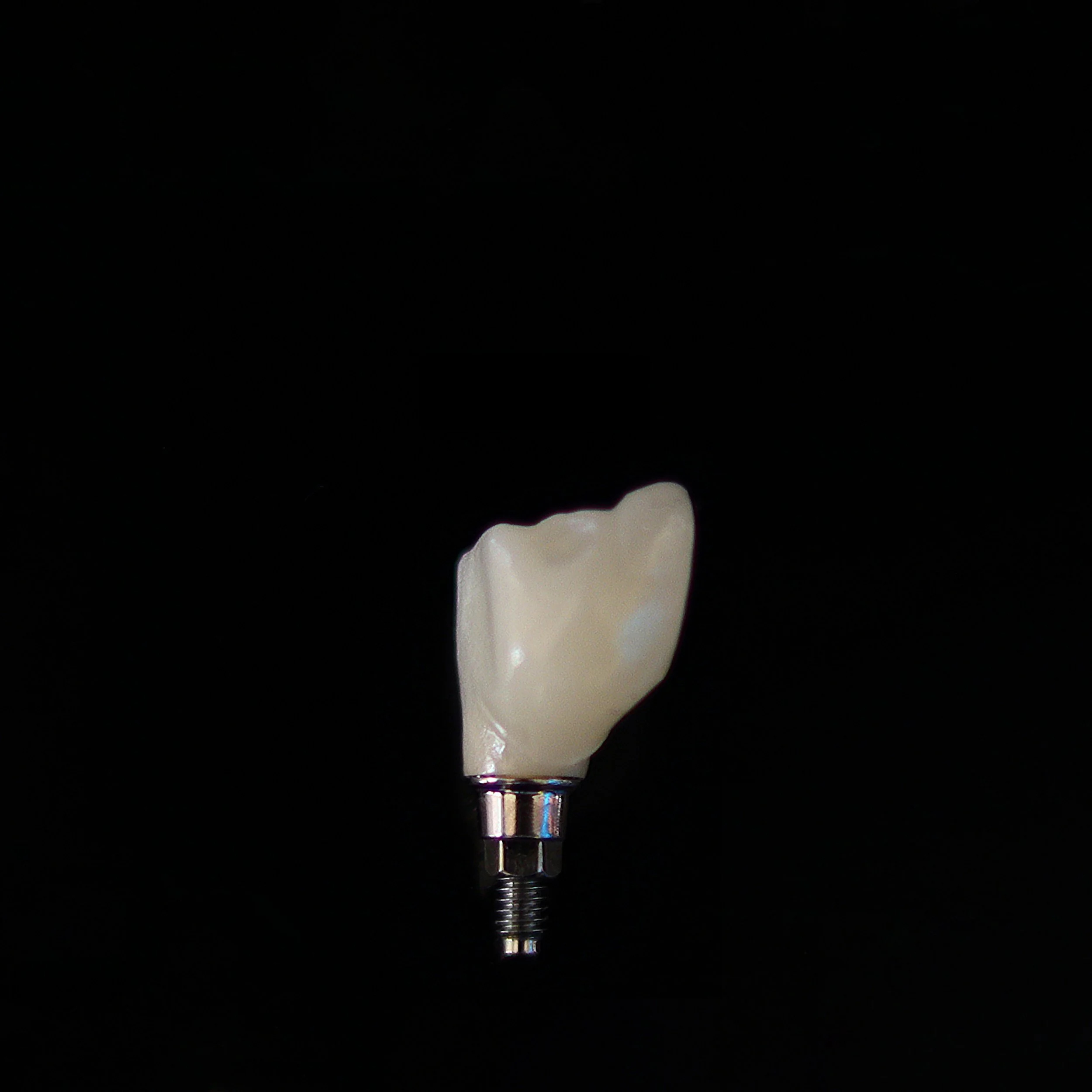
Most dental implants do well. But when an implant is on the cusp of failure, the signs of trouble don't always look the way you'd expect. Some Milwaukee patients wait months to come in because they thought a little soreness was "normal healing." By then, the problem had grown.
Your body talks to you! The trick is knowing what to listen for.
Early Warning Signs
Some signals show up within the first few weeks after placement. Others creep in months or even years later. Here's what to watch for:
The implant feels loose or wobbly when you press your tongue against it
Gums around the implant look red, swollen, or pull away from the post
Pain that gets worse instead of better after the first week
A bad taste that won't go away, even after brushing
The implant site aches when you chew on that side
None of these mean the implant is definitely lost. But all of them mean something needs attention. Waiting doesn't help here. It only gives the problem more time.
What Peri-Implantitis Feels Like
Peri-implantitis is the most common reason dental implants fail after they've healed. It's an infection in the bone and tissue around the implant post. The American Academy of Periodontology explains how peri-implant disease develops, and it affects a meaningful share of implant patients. That's a real number, not a rare event.
The tricky part is that it often starts painless. You might notice bleeding when you floss around the implant. The gum might look a little puffy. Then one morning you bite into toast and feel a dull ache that wasn't there before. That ache is bone loss talking.
We've seen this pattern many times at our office near the East Side. A patient comes in for a routine visit, and we spot bone changes on a 3D image that they never felt. CBCT 3D imaging catches what your nerves can't always report. That's why follow-up visits matter so much after implant placement.
Late-Stage Red Flags

If an implant has been stable for years and then starts shifting, something has changed. Maybe the bone around it has thinned. Maybe a grinding habit wore down the restoration and put stress on the post. Night guards and splints exist for exactly this reason.
Late-stage failure can feel like a dull pressure in the jaw. Or you might notice the crown sitting slightly crooked. Sometimes there's visible pus at the gum line. None of these are subtle once you know what to look for.
So what should you do if you notice any of this? Call. Don't search for answers online for three weeks. Don't wait for your next cleaning. A quick exam and a digital X-ray can tell us whether the implant is stable or whether we need to step in with dental implant repair before more bone is lost.
The good news is that catching problems early usually means simpler fixes. A failing implant doesn't always mean a lost implant. But the window matters. If you're in Milwaukee and something feels off with an implant, schedule a visit or call us at 414-963-9440 so we can take a clear look and give you honest answers about what's going on.
Frequently Asked Questions
Common questions about Dental Implant Downsides: Risks and Drawbacks to Know Before You Commit
How do I know if I'm a good candidate for a dental implant?
You're likely a good candidate if you have healthy gums, enough jawbone, and no uncontrolled health issues like diabetes or heavy smoking. A CBCT 3D scan shows your bone density and where your nerves sit, so your dentist can plan around your specific mouth. If bone is thin, grafting first can help. Our oral surgery and dental implants page walks through this exam step by step so you know where you stand before any surgery date is set.
What's the biggest misconception about dental implant risks?
The biggest misconception is that a 95 percent success rate means implants are risk-free. That number still leaves room for infection, nerve issues, or failure to fuse with the bone. Most problems trace back to planning gaps, not bad luck. Thorough imaging and an honest health review before surgery cut your personal risk down a lot, even though no dentist can promise a perfect outcome every time.
Can Milwaukee winters make implant healing harder?
Cold weather itself doesn't cause implant problems, but dry indoor heat during Milwaukee winters can leave your mouth drier than usual. Dry tissue heals a bit slower and can feel more irritated during recovery. Drink water often and follow your aftercare instructions closely during colder months. If you notice swelling that keeps getting worse instead of better, that's a sign to call your dentist, not just weather-related dryness.
What's the difference between normal healing discomfort and a real implant problem?
Normal healing brings mild soreness and swelling that gets better each day. A real problem shows up as pain that worsens, a bad taste, warmth around the gums, or an implant that feels loose when you chew. Nerve-related tingling or numbness lasting more than a few days is also worth a call. Trust the direction your symptoms are moving. Improving is normal. Worsening after the first week usually means something needs a closer look.
If my implant feels loose, does that always mean it failed?
A loose implant almost always means something is wrong, though the cause can vary. Sometimes the bone never fully fused to the post. Other times bone loss around an older implant, called peri-implantitis, has weakened its hold. Either way, a loose implant needs an exam soon rather than a wait-and-see approach. Catching it early sometimes means less rebuilding work than waiting until the post shifts further or comes out on its own.
Where can I get a second opinion if I'm told my implant isn't healing right in Milwaukee?
You can get a second opinion at any local practice that offers CBCT 3D imaging, which shows details a flat X-ray misses. We've seen patients near Milwaukee's East Side arrive after being told they were "good to go," only to find thin bone or a low sinus floor on closer imaging. A fresh set of scans and an honest conversation about your options can clarify whether the implant needs to come out or simply needs more healing time. Our single and multiple tooth replacement page covers what replacing one or a few teeth involves.
How long am I waiting for implants, and will I have teeth during it?
Most implants need three to six months for the bone to fuse to the post, and you'll have a temporary tooth in place for that stretch. The wait isn't a drawback so much as the thing that makes implants last decades. Rushing it is what causes failure. Depending on your case, that temporary might be a removable flipper, a bridge, or a fixed arch attached the same day as surgery. Our guide to what happens while you wait for dental implants breaks down the timeline and the temporary options.
Ready to Get Started?
The exam is where the real answers come from. Schedule your visit or call 414-963-9440.
