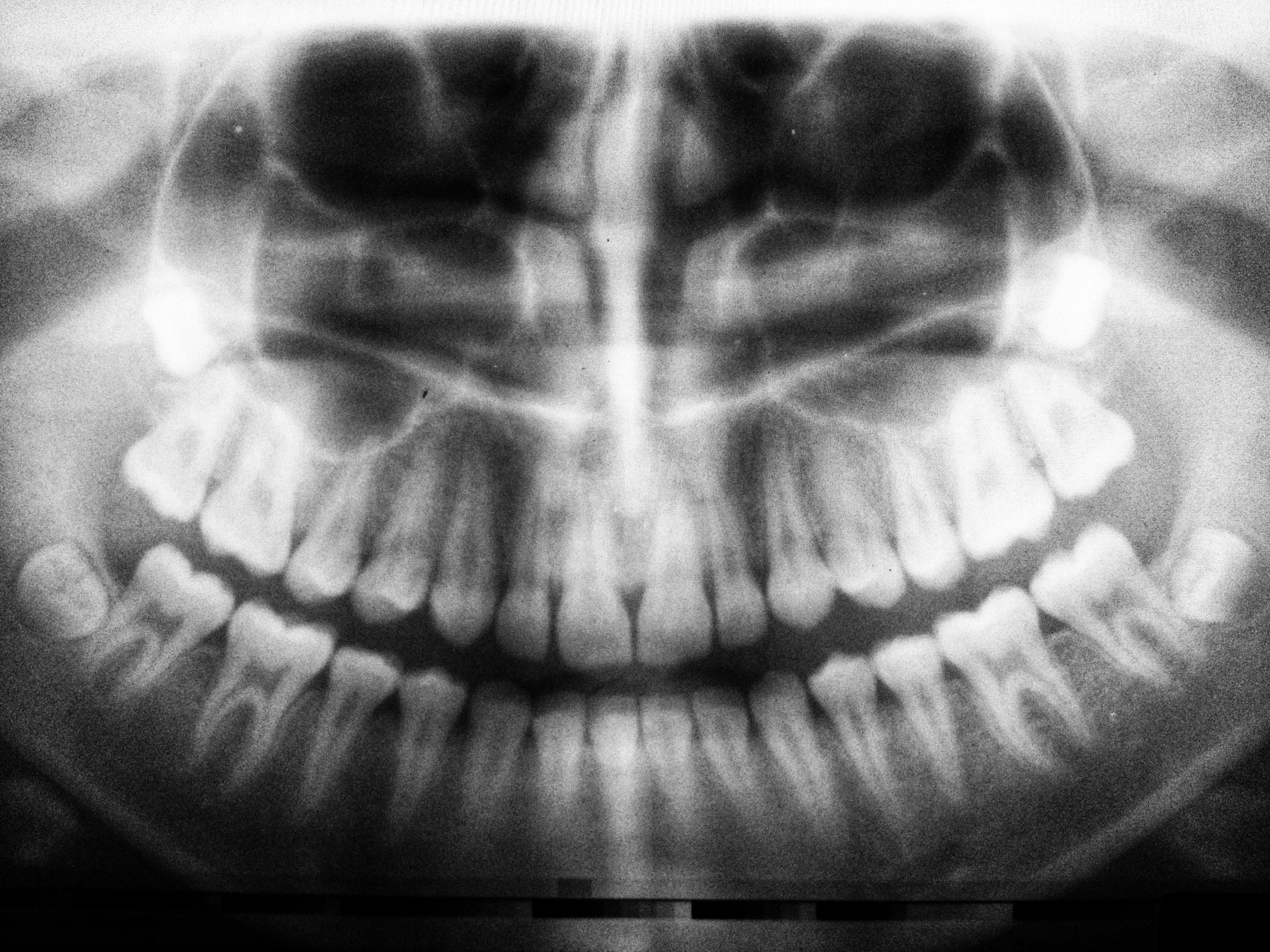
Dental Imaging & 3D X-Rays in Milwaukee, WI — See Before You Plan
For implants, root canals, tough extractions, and everyday exams. We use 3D CBCT scans and digital X-rays so we treat what's actually there, without guessing.
3D CBCT scanning for surgical planning
Up to 90% less radiation than film
15 years serving Milwaukee
Good dentistry starts with a clear picture. Not just of the teeth you can see, but of the bone, nerves, and roots underneath — the part where most decisions actually get made. Guessing has a cost, and the cost shows up later in the chair. Dental imaging at Lake Park Dental in Milwaukee uses 3D CBCT scans and digital X-rays to plan your care from real information, with far less radiation than old film. Here's what each one does and why it matters.
WHAT DIGITAL IMAGING REPLACES
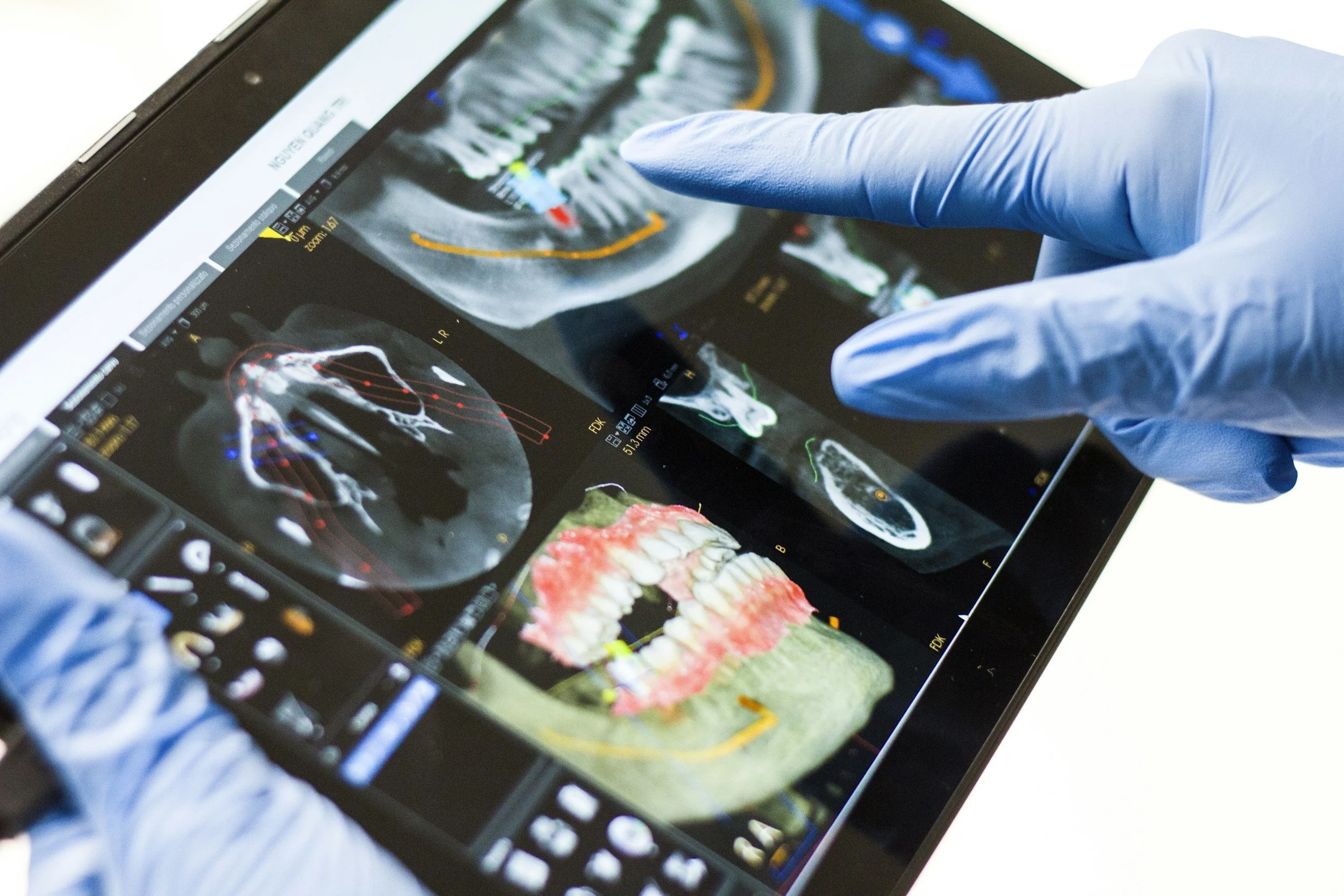
Film X-rays were the standard for a long time. They worked, but they had real costs — more radiation, slower results, and a flat picture of a problem that lives in three dimensions. Digital X-rays cut the radiation by as much as 90% and show up on a screen in seconds, so we can talk you through what we see while you're still in the chair. For complex cases, a CBCT scan goes further. It builds a full 3D view of your jaw, sinuses, nerves, and roots — the things a flat X-ray can hint at but never really show.
That extra information changes what's possible. A flat X-ray might miss a curved root canal or a thin spot of bone where an implant won't hold. A CBCT shows the bone before we plan the implant, the nerve before we plan the extraction, and the airway before we plan the bite. You see it. The plan reflects it. There's no medical clock that says you need 3D imaging for every visit. But for surgery, implants, and anything close to a nerve, looking first is the difference between a plan and a guess.
WHERE WE USE IT
Digital X-rays are part of your regular exam. We use them to catch cavities between teeth, check the bone around your roots, and watch how things change over time. A scan takes seconds, and the image is on a screen by the time you sit up. CBCT comes in for the bigger work — planning dental implants, mapping wisdom tooth extractions, evaluating root canals, looking at TMJ and airway issues. Both run on digital sensors, so there's no waiting on film and no chemicals involved. The whole visit moves faster, with better information.
After the scan we walk you through what we see on the screen. Not because it's impressive — because the picture is part of your decision. If the bone tells us we need a graft first, you'll see why. If the nerve runs closer than expected, you'll see that too. The plan stops being abstract and we have an actual roadmap.
UNDERSTANDING THE COST OF DENTAL IMAGING
Imaging costs depend on what we need. A routine set of digital X-rays is a small part of a regular Milwaukee exam. A full CBCT scan is its own line item, used when the case calls for it. Either way, we give you the full cost in writing before anything starts. We're fee-for-service, so we provide detailed receipts for any reimbursement your insurance offers. Cherry and CareCredit are available for larger treatment plans that include imaging. The picture is part of the plan, and we'll show you the numbers as plainly as we show you the scan.

Why Choose Us
Imaging is only as useful as the planning that follows it. A great scan with a rushed plan is a waste of both. Dr. Schneiss is among the 6% of US dentists holding both an AGD Fellowship and an AAID Associate Fellowship, which means the 3D images get read by someone trained to use them — especially for implants and complex surgery. We've built care around the patient for 15 years, and that includes the part where we sit with you and walk through what the scan actually shows.
Frequently Asked Questions
What's the difference between a CBCT scan and a regular dental X-ray?
1
A digital X-ray is a flat, 2D image of your teeth and the bone around them. A CBCT scan is a 3D view of your whole jaw, sinuses, and nerves. We use X-rays for routine exams and CBCT for surgical and complex work where depth really matters.
Is digital imaging safe?
2
Yes. Digital X-rays use up to 90% less radiation than older film X-rays, and we only image what we need to. A CBCT scan uses more radiation than a single X-ray but far less than a medical CT scan, and we order it only when the information will change your treatment.
How long does a CBCT scan take?
3
Less than a minute. You stand or sit still while the scanner makes a single pass around your head, and the 3D image is ready on the screen seconds later. There's nothing in your mouth and nothing uncomfortable about it.
Will my insurance cover imaging?
4
Routine digital X-rays are often covered as part of an exam. CBCT scans depend on your plan and the procedure they're tied to. We're fee-for-service and give you detailed receipts to submit for reimbursement, with the full cost in writing beforehand.
Schedule Your Consultation in Milwaukee
If you have a case that calls for real planning — an implant, a tough extraction, a root canal, a bite issue — the conversation starts with a clear picture. We'll take the imaging you actually need and walk you through what it shows. Call 414-963-9440 to book.
Learn more about our full range of sedation and advanced technology options or call to schedule your personalized consultation.