Will You Be Without Teeth While Waiting for Dental Implants? A Milwaukee Patient's Guide
What's Covered on This Page
The Real Question Isn't 'Will I Be Toothless', It's Which Patient You Are
Understanding the Dental Implant Healing Timeline
Temporary Tooth Replacement Options While You Heal
What should I expect at my first visit when planning for dental implants?
Is it true you'll be without teeth for months while waiting for implants?
Does Milwaukee's cold winter affect healing time for dental implants?
What's the difference between a temporary flipper and a temporary bridge?
How do I know if I need bone grafting before my implants?
Can I eat normally while wearing temporary teeth during healing?
414-963-9440
Schedule Your Visit
The Real Question Isn't 'Will I Be Toothless', It's Which Patient You Are
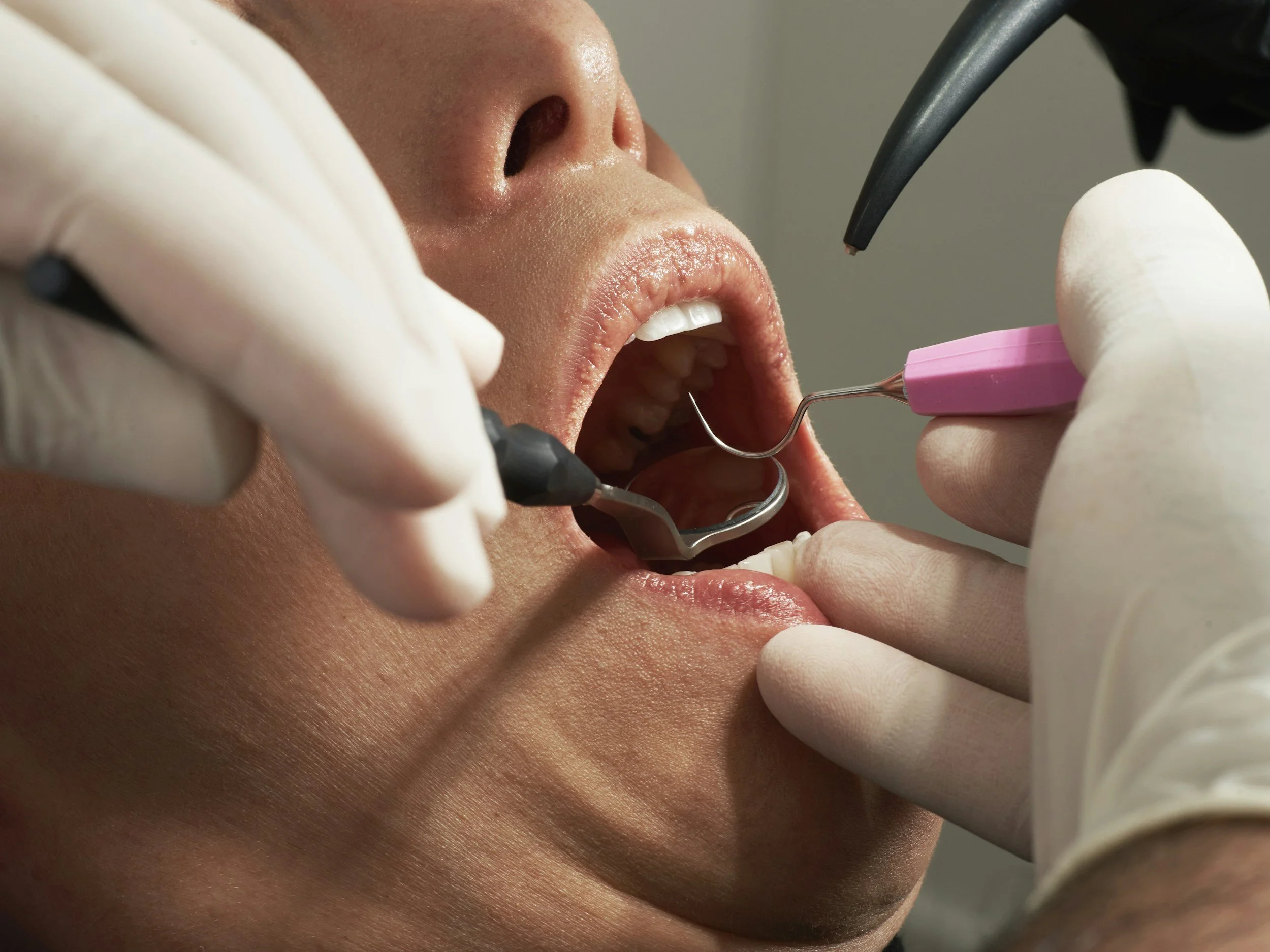
Will you be without teeth while waiting for dental implants? The honest answer depends on your mouth right now. Not everyone takes the same road to implants. Bone density, how many teeth are involved, and where they sit all change the plan. Two people in the same Milwaukee waiting room can have different timelines and different temporary tooth options.
We see that every week near the East Side. One person needs one tooth replaced in the back. Another needs full mouth dental implants. Their visits won't look alike. Their temporary teeth won't either.
The Single-Tooth Patient
Say you're replacing one front tooth. You smile and there's a dark space where enamel used to catch the light. For that kind of case, a temporary tooth is usually part of the plan from the start. You might wear a small removable piece called a flipper. It clips in, fills the space, and looks natural enough for dinner at Harbor House or a morning meeting downtown. Not forever, just while bone heals around the implant post.
Some single-tooth cases qualify for a temporary crown the same day the implant goes in. That depends on how stable the implant is at placement and how much healthy bone surrounds it. We check that during surgery.
The Multiple-Tooth Patient
Now picture someone missing three or four teeth in a row. Maybe the teeth are already gone, or maybe they need extraction first. This patient often gets a temporary bridge or partial denture during healing. The key detail: these temporaries are made before implant surgery happens. We plan them ahead with CBCT 3D imaging and iTero digital scanning, so nothing feels rushed.
You walk in with teeth, you walk out with teeth. The teeth in between are just different teeth for a few months.
The Full-Arch Patient
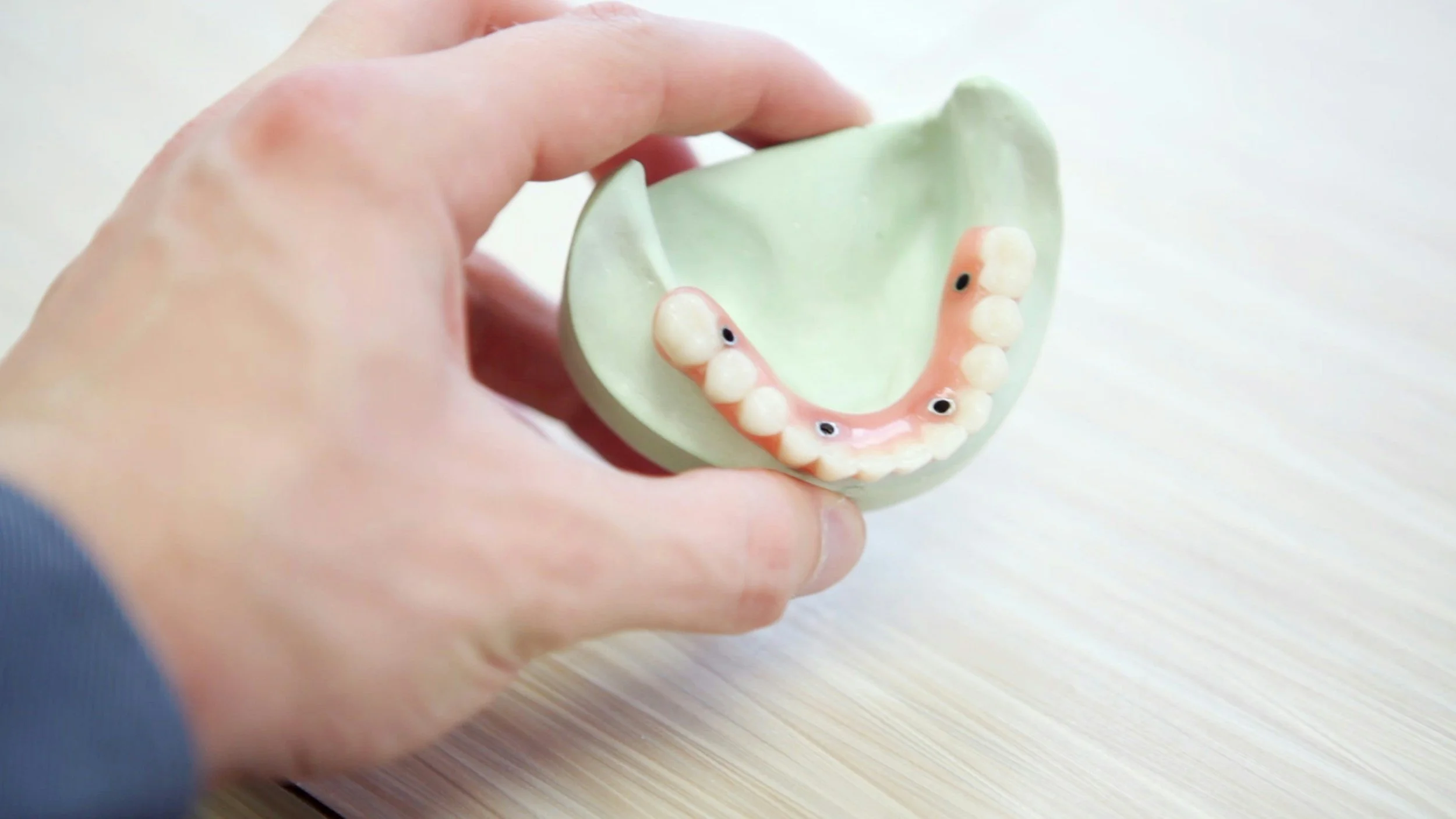
If you're considering All-on-X or full-arch implant reconstruction, you might picture weeks of empty gums. But that's not how it works for most full-arch cases. Many patients leave with a fixed temporary set the same day their implants are placed. That's the idea behind full mouth dental implants and teeth in a day. You go under sedation, the implants go in, and a temporary arch is secured before you leave.
Not every full-arch patient qualifies for same-day temporaries. Bone grafting for implants or a sinus lift for implants can add healing time. Then a well-made removable denture bridges the gap. It's temporary. It works. And it keeps you from staring at a plate of food with bare gums.
So the real sorting question isn't "will I have teeth?" It's "what kind of temporary teeth fit my case?" We've worked with patients across Milwaukee since 2012, from Shorewood to Bay View, and the answer always comes down to the person in the chair. Your bone, your health history, your goals.
The best way to find out which patient you are is a new patient dental exam with 3D imaging. That one visit answers nearly every question about timing, temporaries, and what your months of healing will look like. If you're weighing dental implants and want a clear picture of your specific path, our dental implant page walks through the full process.
Understanding the Dental Implant Healing Timeline
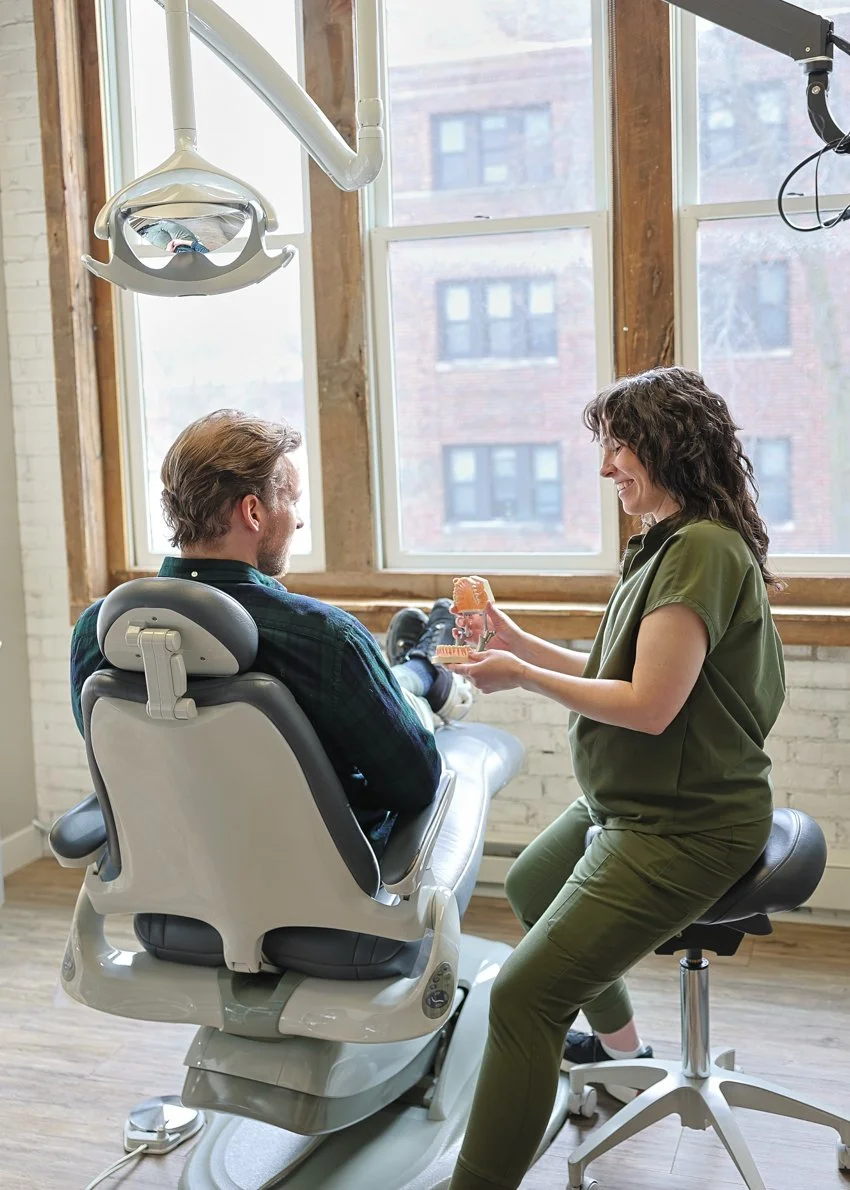
The short answer is no, you don't have to walk around without teeth. But you do need to know what's happening inside your jaw so the timeline makes sense. A dental implant is a small titanium or zirconia post placed into your jawbone. Once it's there, your bone needs to grow around it and lock it in place. That process is called osseointegration, and it takes time.
For most people in good health, osseointegration runs about three to six months. The American Academy of Implant Dentistry notes that dental implants have a success rate above 95 percent, and that success depends on giving the bone enough time to heal properly. If you rush it, the implant can loosen or fail.
Here's what the general timeline looks like:
Implant placement day: The post goes into the jawbone. You'll leave with some form of temporary tooth replacement so you're never without teeth.
First two weeks: Soft tissue heals around the site. Swelling goes down. You stick to softer foods.
Weeks three through eight: Bone starts bonding to the implant surface. You won't feel it happening, but it's the most important phase.
Months three through six: The implant becomes stable enough for the final restoration. Your dentist checks integration with imaging before moving forward.
Final crown or restoration: Once the bone is solid, the permanent tooth goes on. That first bite of a crisp apple tells you it worked!
Some cases move faster than others. Full Mouth Dental Implants / Teeth in a Day protocols let patients leave with a full set of fixed temporary teeth the same day as surgery. We see this often with patients who've been wearing loose dentures for years and want something steady right away. The temporary arch stays on while the implants heal underneath.
If you need bone grafting for implants or a sinus lift for implants first, that adds healing time before the implant can even be placed. A patient who comes to us at our Webster Place office in Milwaukee's East Side might need socket preservation after an extraction, then bone grafting, then the implant itself. Each step has its own healing window.
And here's what most people don't realize until they're in the chair. The timeline isn't one-size-fits-all. Bone density matters. Overall health matters. Whether you smoke matters. We use CBCT 3D imaging and 3D implant planning to map your jaw before anything starts, so we can give you a realistic picture of how long your case will take.
The waiting is the hard part for most patients. We see that all the time.
But the waiting is also what makes implants last decades instead of years. A well-integrated implant becomes part of your body. It doesn't shift when you chew. It doesn't click when you talk. The bone holds it the way it holds your natural teeth. That kind of stability only comes from giving the biology enough room to do its work.
So the real question isn't whether you'll be without teeth during healing. It's what kind of temporary solution keeps you comfortable while your jaw does the heavy lifting underneath. Keep reading to understand better!
Temporary Tooth Replacement Options While You Heal
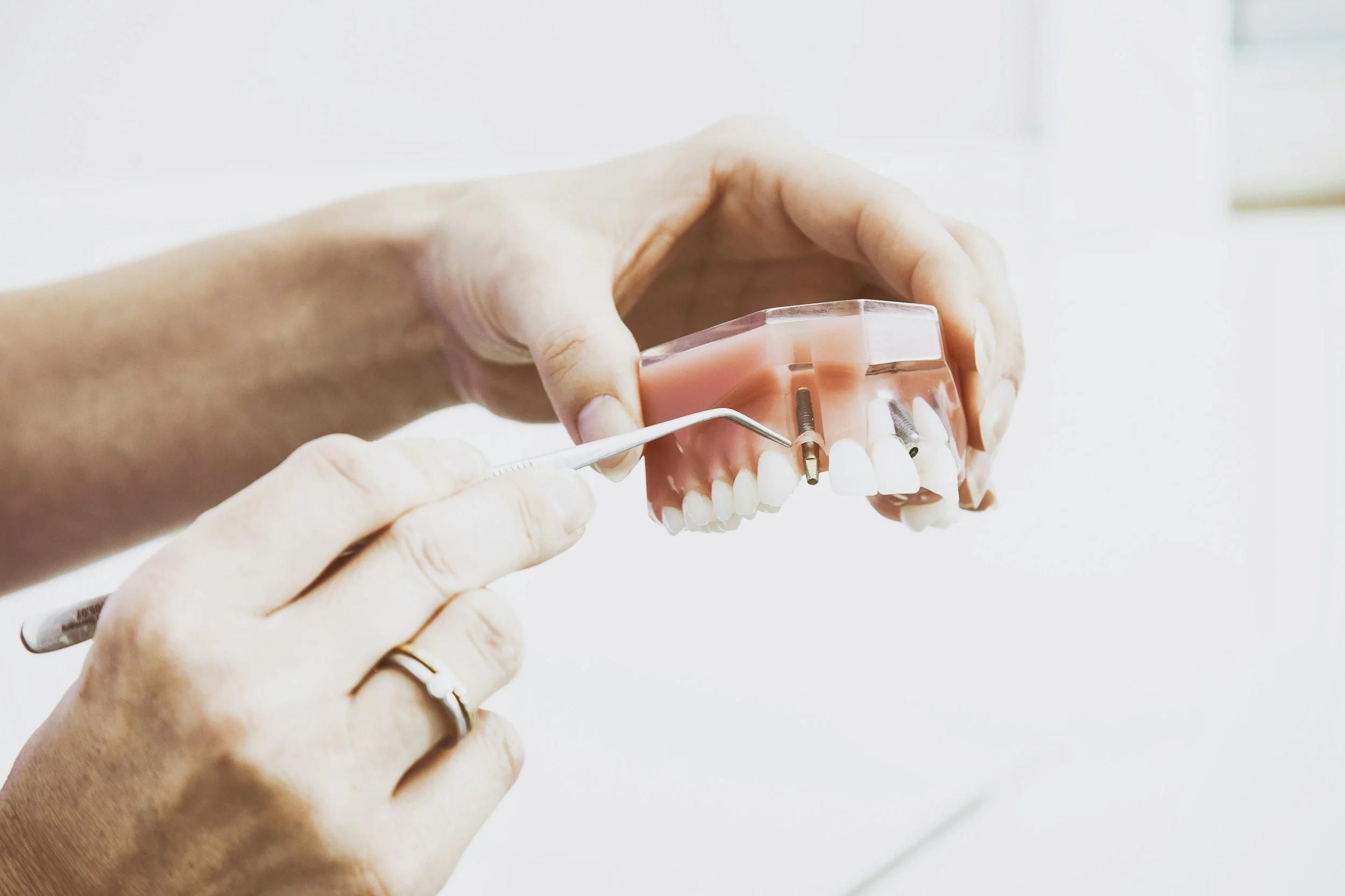
Nobody walks around with a gap where their front tooth used to be. The healing period after dental implants can take a few months, but you'll have something in place the whole time. That's the part most people don't realize until we talk it through at the chair.
There are a few paths, and the right one depends on where the implant sits in your mouth, how many teeth are involved, and what your bone looks like on the CBCT 3D imaging we take before anything starts.
Temporary Removable Options
A flipper is the most common temporary for a single missing tooth. It's a lightweight removable piece that snaps in and out. Think of it like a retainer with a tooth attached. It fills the space, it looks natural enough for daily life, and it keeps your other teeth from shifting while the implant heals underneath.
For patients replacing several teeth at once, a temporary partial denture works the same way on a bigger scale. You wear it during the day. You take it out at night. It's not your final restoration, but it gives you something to smile with and chew on while the bone does its work below the gum line. The ADA has a plain overview of how implants and their restorations fit together if you want the background.
Temporary Fixed Options
Some patients are good candidates for a temporary dental bridge. This one stays in place and you don't remove it yourself. It bonds to the teeth on either side of the gap. Not every situation allows for this. It depends on the health of those neighboring teeth.
And then there's the option we see more patients asking about. With Full Mouth Dental Implants / Teeth in a Day, you can leave the same appointment with a fixed set of temporary teeth attached directly to the implants placed that day. You walk in with failing teeth. You walk out with a full arch. The temporaries stay in while your bone heals around the implants over the next several months.
That's a real scene we see at our Milwaukee office near the East Side. Someone sits down in the morning worried about months without teeth, they leave that afternoon eating soft foods with a full smile!
What Matters Most When Choosing
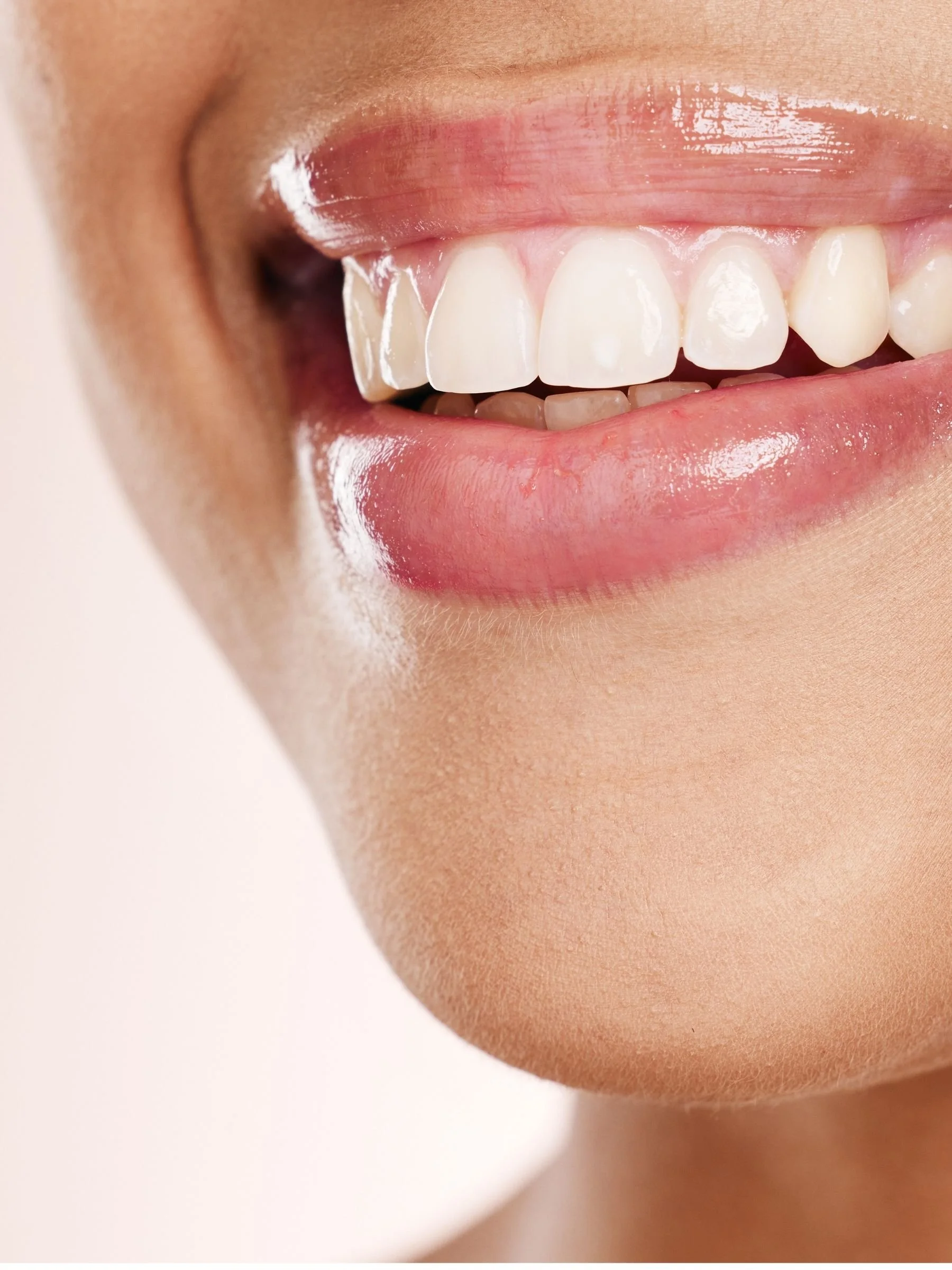
The temporary isn't just about looks. It protects the surgical site, keeps your bite stable, and lets you eat. Here's what we weigh with every patient:
Location of the missing tooth, front teeth need something that looks right, back teeth need something that handles chewing pressure
Number of implants being placed, a single tooth implant replacement has different temporary needs than a full-arch case
Bone density and healing speed, some patients heal faster, which changes the timeline for the final restoration
Your daily life, teachers, salespeople, anyone face-to-face all day usually want a fixed temporary
We map all of this out during your exam. The 3D implant planning we do with CBCT imaging shows us exactly what's possible before we ever pick up a handpiece.
Your temporary is part of the plan from day one; it's not an afterthought. We design the final smile first using digital tools, then work backward to make sure the temporary matches the direction we're heading.
So in almost every case, you won't be walking around with a visible gap. The form it takes just depends on your mouth, your bone, and how many teeth we're replacing. If you're curious about what your specific temporary would look like, schedule an appointment or call 414-963-9440 and we'll walk through it.
Frequently Asked Questions
Common questions about Will You Be Without Teeth While Waiting for Dental Implants?
What should I expect at my first visit when planning for dental implants?
You should expect a full exam with 3D imaging, not just a quick look in your mouth. We use CBCT scanning to see your bone density and jaw structure before we talk about timelines. This visit tells us if you're a single-tooth case, a multiple-tooth case, or a full-arch case. It also tells us if you'll need bone grafting first. Most patients leave this visit with a clear picture of their own healing timeline, which is the real goal. Our oral surgery and dental implants page covers what that exam includes.
Is it true you'll be without teeth for months while waiting for implants?
No, that's a common myth. Most patients leave every visit with some form of temporary tooth, whether it's a flipper, a bridge, or a full temporary arch. The idea that implants mean months of bare gums comes from older treatment methods. Modern planning with digital scanning lets your dentist build your temporary teeth ahead of time. You walk in with teeth and walk out with teeth, even while your permanent implant heals underneath.
Does Milwaukee's cold winter affect healing time for dental implants?
Cold weather itself doesn't slow bone healing, but winter habits can matter. Vitamin D levels tend to drop in Milwaukee winters, and vitamin D plays a real role in how your body absorbs calcium and builds bone. Cold, dry indoor air can also irritate healing gum tissue if you're not staying hydrated. We remind our Milwaukee patients to keep up good nutrition and hydration through the winter months, since that supports the same osseointegration process your implant depends on year-round.
What's the difference between a temporary flipper and a temporary bridge?
A flipper is a small removable piece for one missing tooth, while a bridge replaces several teeth in a row. A flipper clips in and out easily, which works well for a single front tooth gap. A temporary bridge is built for patients missing three or four teeth together and stays more fixed in place during healing. Both are planned before implant surgery, so neither leaves you guessing about how your smile will look during the wait.
How do I know if I need bone grafting before my implants?
You'll know after a 3D imaging scan shows whether your jawbone has enough density to hold an implant post. Bone loss is common after teeth have been missing for a while, especially in the back of the jaw. If the scan shows thin or soft bone, grafting adds strength before the implant goes in. This adds healing time, but it protects the implant's long-term success. A new patient exam is the clearest way to find out where you stand.
Can I eat normally while wearing temporary teeth during healing?
You can eat, but softer foods are best for the first few weeks after implant placement. Your temporary tooth or arch is built to look natural and let you chew comfortably, though it's not meant for tough or sticky foods right away. As healing moves forward, most patients return to normal eating well before the permanent restoration goes on. Our single and multiple tooth replacement page walks through what healing looks like step by step.
Ready to Get Started?
The exam is where your timeline becomes real. Schedule your visit or call 414-963-9440.
