Are Dental Implants Worth It at 70? What Seniors Should Know In Milwaukee

The Health Factors That Determine Candidacy
Bone volume, gum health, and how well your medical conditions are managed determine whether implants will work for you. Age is not on that list.
Patients come in at 71 or 74 expecting to hear they've waited too long. What we're actually measuring is whether bone will grow tight around a titanium post, and that depends on bone density and blood supply rather than the year you were born. We've treated patients in their mid-seventies who were better candidates than people twenty years younger.
Bone Density and Jaw Health
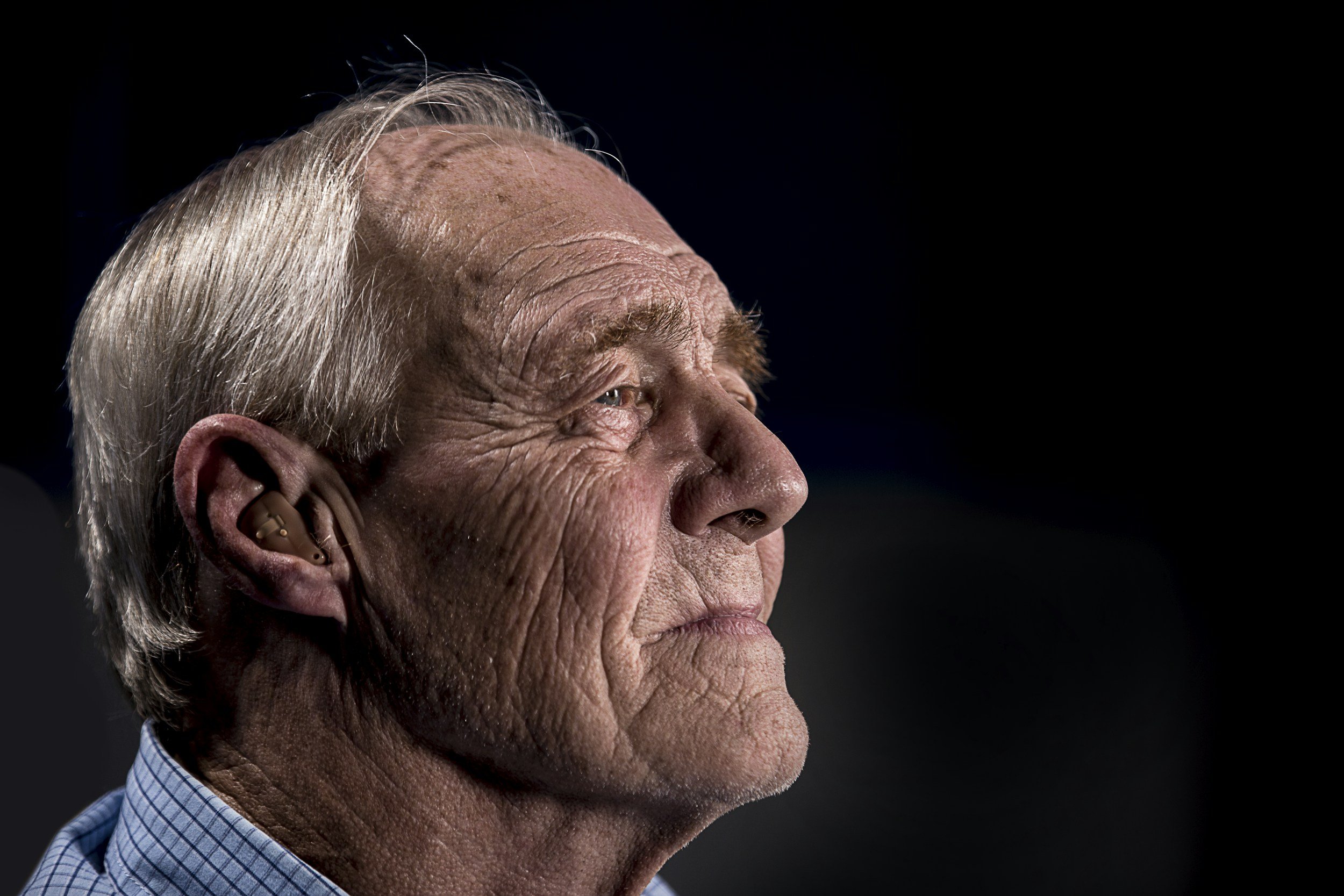
Bone recedes after teeth are lost, because nothing is pressing on it anymore. After a decade or two, the ridge along the lower jaw can thin considerably.
CBCT 3D imaging measures what's left to the millimeter. If there isn't enough to anchor a post, bone grafting or a sinus lift rebuilds it first. That adds several months to the treatment plan without reducing the long-term success rate.
A thin ridge usually means grafting before placement, not disqualification.
Chronic Conditions Worth Discussing

Most conditions that sound disqualifying are manageable. They need to be reviewed before treatment starts.
Diabetes. Controlled blood sugar heals normally. Uncontrolled blood sugar slows healing and raises infection risk.
Osteoporosis. The condition itself is not the concern. Bisphosphonates are, so we need to know what you take and how long you've taken it.
Heart disease or blood thinners. We coordinate timing with your physician. Most patients on blood thinners proceed safely.
Autoimmune conditions. Immunosuppressant medications extend the healing timeline. They rarely rule out treatment.
The ADA reports that most healthy older adults do well with implants. Healthy at 70 means your conditions are managed, not that you have none.
Gum Health
Gum disease can progress for years without causing pain. You brush, you floss, nothing bleeds much, and the bone supporting your teeth recedes the whole time. A CBCT scan is often the first place it shows up clearly.
An implant placed into inflamed tissue will not integrate. Gums have to be stable first, which means periodontal therapy, a healing period, and a second evaluation before we place anything. That sequence delays treatment by months. It also determines whether the implant lasts twenty years or fails in the first one.
Medications and Healing
Bring your complete medication list, including supplements and anything you take irregularly.
Some drugs affect clotting. Some slow bone turnover. Several reduce saliva production, and a dry mouth heals more slowly than a normal one. We've treated Milwaukee patients taking ten or more daily medications who healed without complications, because the surgical plan accounted for those medications rather than working around them after the fact.
Smoking restricts blood flow to the gums and jawbone during the period when those tissues need circulation most. It lowers implant success rates at every age.
Candidacy at 70 comes down to bone, gums, and condition management. We use computer-guided placement, which maps the implant position in software before any incision. For older patients, that precision typically reduces swelling and shortens recovery.
What Success Rates Look Like for Older Adults

Research on adults over 65 puts implant survival in the low-to-mid nineties, close to the range reported for patients in their forties.
What predicts failure is bone quality, gum health, and whether conditions like diabetes are controlled. A 72-year-old with solid bone density and stable blood pressure heals about as well as someone decades younger. A 50-year-old who smokes heavily carries more risk than either.
What the Research Shows
Studies tracking patients five and ten years after placement report consistent findings:
Survival for patients over 70 stays above 90 percent at the ten-year mark
Bone loss around the implant follows the same pattern in older and younger patients
Healing takes somewhat longer, and the final result is comparable
Patients with well-managed chronic conditions show no higher failure rate
These come from large studies across multiple countries rather than small samples.
What We See in Practice
We've placed single tooth implants and full-arch reconstructions for patients across the East Side, Shorewood, and Whitefish Bay. Most report that the change they notice first is being able to eat foods they'd given up on, things like steak, apples, and corn on the cob.
Planning accounts for much of the difference in outcomes. CBCT imaging and computer-guided placement map every angle before surgery, which reduces both guesswork and healing time.
When Success Rates Drop
Some situations do lower the odds, and they're worth stating plainly.
Uncontrolled diabetes slows healing and increases infection risk. Heavy smoking restricts blood flow. Certain osteoporosis medications require review with your physician before surgery. These factors change how the case is planned and sometimes how long it takes. They don't automatically rule out treatment.
We don't quote a treatment plan before an in-person exam. Your plan is built from your health history and your scans, not from population averages.
Healing Time, Sedation, and What to Expect During Treatment
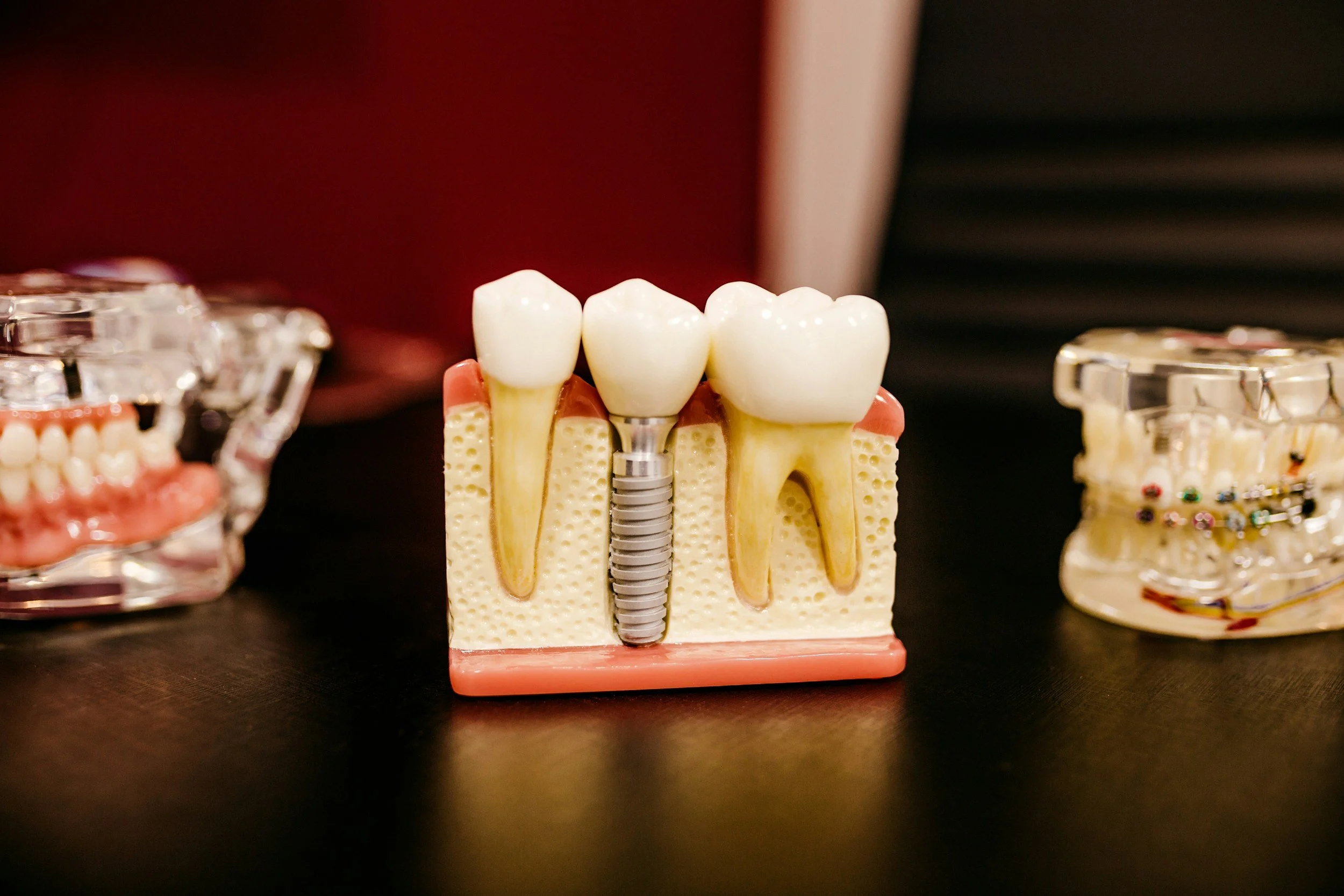
Implants are placed in stages rather than in a single appointment. The post goes into the jawbone first, then bone grows around it and locks it in place. That process is called osseointegration, and for most patients past 70 it takes three to six months. You live normally during that window, starting with soft foods and adding more as healing progresses.
Sedation Options
The right option depends on your health history and how you feel about dental work.
Nitrous oxide. You stay relaxed and aware. It wears off quickly, and you can be driven home shortly after.
Oral sedation. A pill taken before the appointment. You'll feel drowsy and remember little of the procedure.
Twilight anesthesia. A deeper state. You remain technically conscious but largely unaware.
Full IV sedation or general anesthesia. Used for longer procedures, including All-on-X full-arch reconstruction.
Blood thinners, heart conditions, and blood pressure medications all factor into that decision. We review your full medical history before recommending a sedation plan.
The Days After Placement
Most patients describe the first two days as soreness rather than sharp pain, comparable to a deep bruise. Swelling peaks around day three and then subsides. Cold compresses and rest both help.
Recovery goes smoothly for patients in their seventies who follow the post-op instructions: keep the site clean, stay on soft foods, avoid smoking.
PRP and PRF platelet-rich therapies use your own blood to speed tissue repair at the implant site. It's a short additional step during surgery that shortens the period before you feel normal again.
If your jaw has thinned, a graft or sinus lift comes first and adds a few weeks to the timeline without changing the success rate.
Healing at 70 takes longer than at 40. Healthy seniors heal predictably, and the extended timeline doesn't change the final outcome. Once the permanent crown, bridge, or arch is placed, the implant functions like a natural tooth.
To find out where your bone and gum health actually stand, schedule a visit or call 414-963-9440.
Frequently Asked Questions
Common questions about dental implants for seniors in Milwaukee
Is 70 too old to get dental implants?
No, age alone does not rule out dental implants. What matters is your bone density, your gum health, and how well conditions like diabetes are managed. Research shows adults over 65 do about as well as younger patients. We've treated 72-year-olds who healed better than some people in their fifties. Our All-on-X full-arch implant page covers full-mouth options if you're missing most of your teeth.
What should I expect at my first dental implant appointment as a senior?
Expect a full health review before anything else. We ask about every medication you take, check your gum health, and use CBCT 3D imaging to measure your jawbone to the millimeter. That tells us whether you have enough bone or need grafting first. Bring your complete medication list so we can plan around anything that affects healing.
Can I still eat Milwaukee favorites like bratwurst after getting dental implants?
Yes, once healed, implants let you bite and chew like natural teeth. They fuse to your jawbone, so they don't shift or slip the way dentures do. Most seniors say that stability is the biggest day-to-day change. Foods you've avoided for years become an option again.
Does gum disease affect whether I qualify for dental implants?
Yes, more than most people expect. An implant placed into infected gum tissue will not hold. We treat gum disease first with periodontal therapy, then wait for the tissue to stabilize before placing anything. Because gum disease often causes no pain, a thorough exam is usually what catches it.
Do blood thinners or diabetes mean I can't get dental implants?
No, most patients on blood thinners or with managed diabetes can have implants safely. We coordinate timing with your doctor when blood thinners are involved. Controlled blood sugar heals normally, while uncontrolled blood sugar slows healing. The condition needs to be managed, not avoided.
How long does healing take for dental implants in older adults?
Bone usually takes three to six months to fuse around the post, somewhat longer for seniors than for younger patients. The end result is comparable. Computer-guided placement reduces swelling and shortens recovery. Smoking slows healing at any age because it restricts blood flow to the gums and bone. Our oral surgery and dental implants page walks through the full timeline.
What are the risks of dental implants at my age?
The risks are the same at 70 as at 40: infection during healing, nerve irritation in the lower jaw, bone that doesn't fuse to the post, and peri-implantitis years later. Age doesn't raise those odds on its own. What raises them is uncontrolled diabetes, heavy smoking, or gum disease that wasn't treated first. Our guide to dental implant downsides and drawbacks goes through each one.
