Gone are the days of guesswork in dental implant surgery. Computer-guided 3D implant placement brings the same precision you expect in your professional life to your dental care, using advanced imaging and surgical planning software to map every detail before we even begin. This technology transforms implant surgery from an art into an exact science, where every angle, depth, and position is calculated to the fraction of a millimeter. For Milwaukee professionals who value accuracy, efficiency, and predictable outcomes, this approach delivers the exceptional results you demand, with minimal disruption to your schedule.
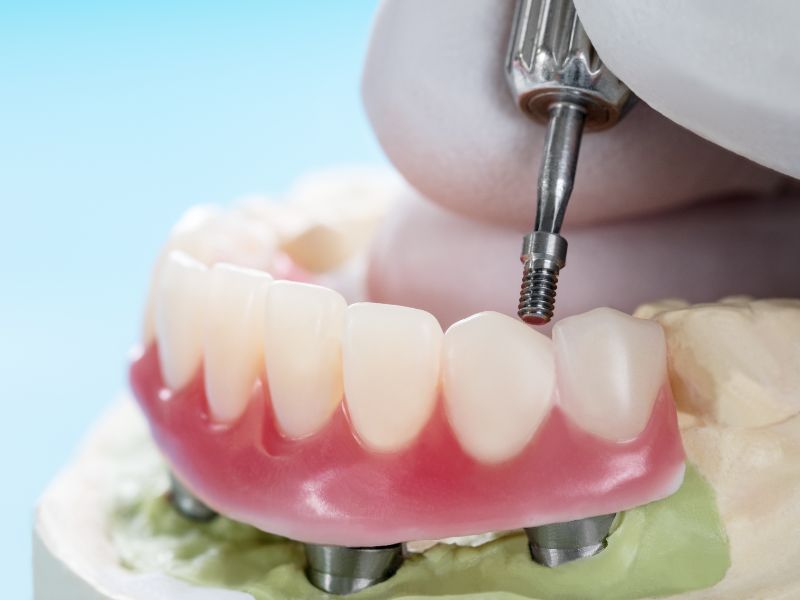
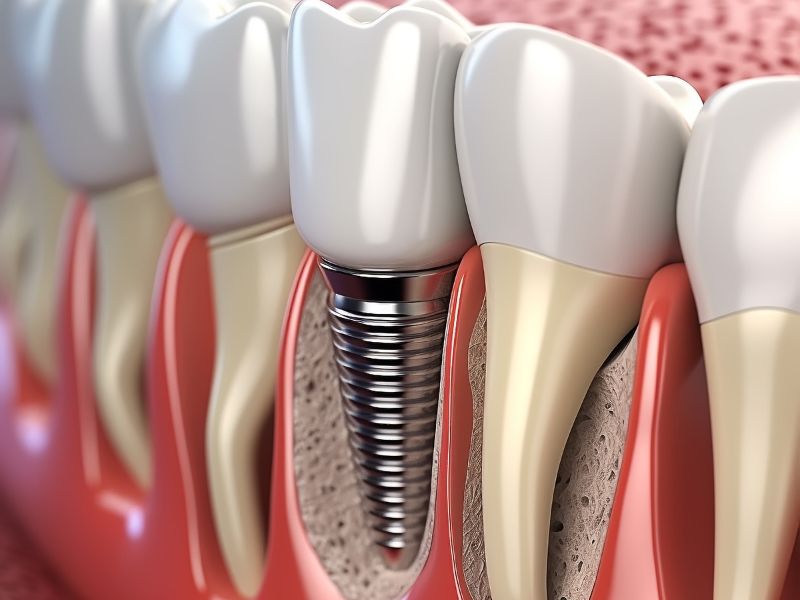
Your implant journey begins with iTero digital scanning and cone beam computed tomography (CBCT), creating a complete 3D model of your jaw, teeth, nerves, and sinuses. This digital twin of your mouth allows us to virtually place implants hundreds of times, testing different positions and angles until we find the perfect placement for maximum stability and aesthetics. The software analyzes bone density at every point, identifies the optimal implant size and type, and even shows us how your final teeth will look and function. According to the Journal of Oral Implantology's comprehensive study, computer-guided implant surgery shows significantly higher accuracy rates compared to freehand placement, with deviations of less than 1mm in most cases.
On surgery day, your personalized surgical guide – a custom-fabricated template created from your 3D plan – fits perfectly over your teeth and gums, with precise openings that guide each implant to its predetermined position. This eliminates variables and human error, allowing implants to be placed exactly where planned, at the precise angle and depth calculated during virtual surgery. The result is faster surgery with smaller incisions, less trauma to surrounding tissue, and often the ability to avoid bone grafting by maximizing available bone. This precision particularly benefits complex cases like All-On-4, immediate tooth replacement, or implants near critical structures like nerves or sinuses. Your implants are positioned not just for today, but optimized for decades of function and the eventual crown or bridge that will complete your smile.
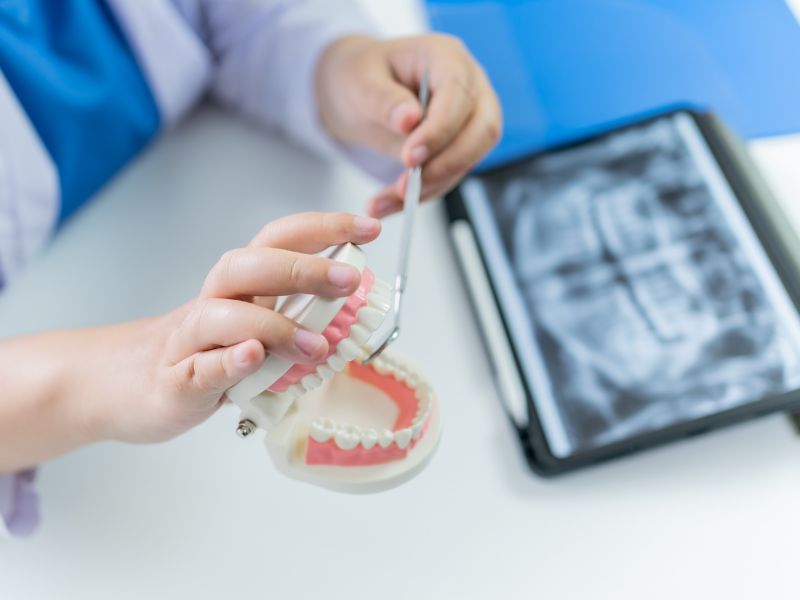
Precision planning means predictable healing, faster recovery, and results that exceed expectations. Our computer-guided approach respects both your time and investment, delivering the sophisticated dental care that matches your professional standards. Schedule your 3D consultation to see exactly how technology can transform your smile.
3D computer-guided planning increases implant success rates by allowing precise assessment of bone quality and quantity, optimal positioning for prosthetic design, and avoidance of anatomical structures. This technology reduces surgical complications and ensures implants are placed in positions that promote long-term stability and aesthetic outcomes.
Traditional implant placement relies on 2D X-rays and surgical experience, while computer-guided surgery uses 3D CBCT imaging, virtual planning software, and custom surgical guides. This technology provides millimeter-level accuracy, shorter surgery times, and more predictable results, especially valuable for complex cases requiring multiple implants.
Yes, 3D imaging reveals exactly how much bone exists and its density at every point, often finding adequate bone where 2D X-rays suggest insufficiency. The technology helps identify alternative implant positions, angles that maximize bone engagement, and whether techniques like tilted implants can avoid grafting procedures entirely.
The initial 3D scan takes about 15 minutes, followed by virtual planning completed before your next visit. Your custom surgical guide is fabricated within 1-2 weeks. This upfront investment of time results in surgery that's typically 50% faster than traditional methods, with more predictable healing.
While 3D planning involves additional technology costs, it often reduces overall treatment expense by minimizing complications, avoiding unnecessary bone grafting, and reducing chair time. The precision also means better long-term outcomes, protecting your investment with implants positioned for optimal longevity.
iTero digital scanning captures precise 3D impressions without messy traditional molds, instantly creating accurate digital models for implant planning. The technology integrates seamlessly with implant planning software, showing real-time simulations of your final results and allowing immediate adjustments to achieve your aesthetic goals.
Ready to transform your dental experience? We'd love to help you feel better, look better, and be better right here in Milwaukee.
